10 Things I Learned from Buying NFTs on Tezos

Last month, I set out to buy an NFT for every one of my friends who wanted one. At the same time, I decided to run a twelve day giveaway on TikTok in which I gifted one NFT per day to a random user who commented on my video.

Although it may sound like a daunting challenge, I was able to pull this experiment off with a limited budget (less than $100!) and for minimal gas fees.
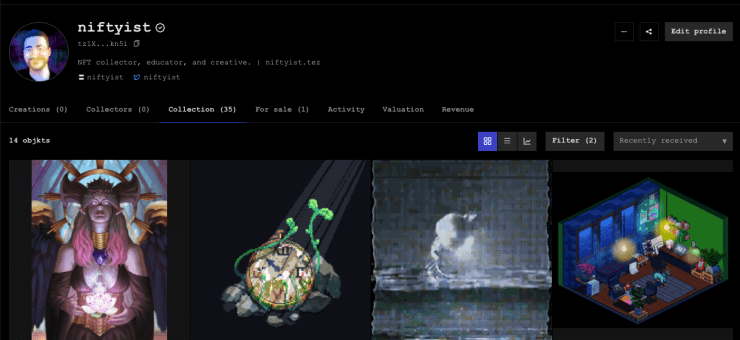
Four NFTs are displayed on a user profile

The whole experience, which turned out to be fantastic, opened my eyes to what the future of NFT collecting will look like in a world where gas is affordable and the hurdles of onboarding people to NFT collecting are resolved.

What I didn’t expect going into this experiment was that I would learn so much. Here are my takeaways from buying dozens of NFTs for friends, followers, and family over the holiday 2021 period.

1. Tezos is a viable Ethereum alternative that already supports a robust economy of NFT trading.

The first question I had to decide when going into this project was which blockchain should I use. After a little bit of research and experimentation, the answer was clear: Tezos.

Tezos may not be the first blockchain that comes to mind when you think about NFTs, but it turned out to be the perfect option for me as I searched for NFTs to send to friends and followers. Generally speaking, I found shopping on the network to be easy, fun, and cheap – exactly like shopping should be.

Why did I turn to Tezos for my NFT shopping spree instead of Ethereum, Polygon, or another chain? There were three main reasons, which I will touch on further in the rest of the article.

Affordable NFTs – plenty of options under $10.

Let’s talk more about that last point…

2. You can now email NFTs to people who don’t have crypto wallets.

This. Is. Huge.

The first problem I encountered when I set out to give NFTs away was: how do I give an NFT to someone who hasn’t set up a wallet yet?
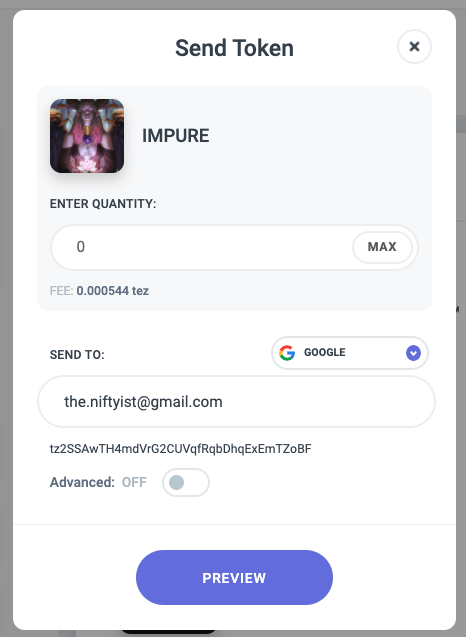
A popup shows how the Kukai wallet generates a wallet address for a Gmail user

As far as I am aware, this remains an unsolved problem on Ethereum on Polygon. On those networks, a user must be able to give you a wallet address in order for you to send them the NFT. This of course requires the user to have some familiarity with crypto already, and is a very high bar to entering the NFT space.

It turns out, that’s not the case on Tezos. The Kukai wallet client allows people to access a dedicated wallet from a social account or email address. Even better – anyone can generate the wallet address for the user based simply on the account’s username. Only that account will have access to the wallet, which means that when the recipient is ready, they can log in to the wallet using their existing social account and retrieve the NFT.

With that tool available, I just had to ask my friends and followers for a Gmail address, Twitter handle, or Reddit username, in order to send them an NFT that they could retrieve on their own. The recipient does not need to have a crypto wallet, and does not even need to know what Tezos is or what “seed phrase” means.

I expect gifts to be a massive use case for NFTs in the long term. If that is to be the case, onboarding has to be extremely simple for mainstream users. This is exactly the type of workflow that will make that possible.

3. You can collect high quality art for less than $10 on Tezos.

Much of the art for sale on Tezos is priced around (and under!) 1 tez. 1 tez is currently worth about $4, meaning you can find a cool NFT to add to your collection for less than the price of a coffee.

Throughout my twelve day Twitter giveaway, I managed to spend about 12 tez total. And not one person complained that the quality of the art seemed lacking. Rather, repeat commenters said they were amazed at how much cool art there was on Tezos for so cheap – which was exactly the point I was trying to illustrate.

4. There is still major opportunity for new artists on Tezos.

When I was shopping for gifts for my friends and family, I would start by searching marketplaces like hic.af, objkt.com, and kalamint.io for tags like #cyberpunk, #NYC, and #hockey.

I was shocked to find that often times these tags would return just a handful of NFTs. This meant that if I was set on buying an NFT with that theme – for instance, a portrait of the city for a friend who had just moved there – the chance that I would buy one of those few NFTs was extremely high.
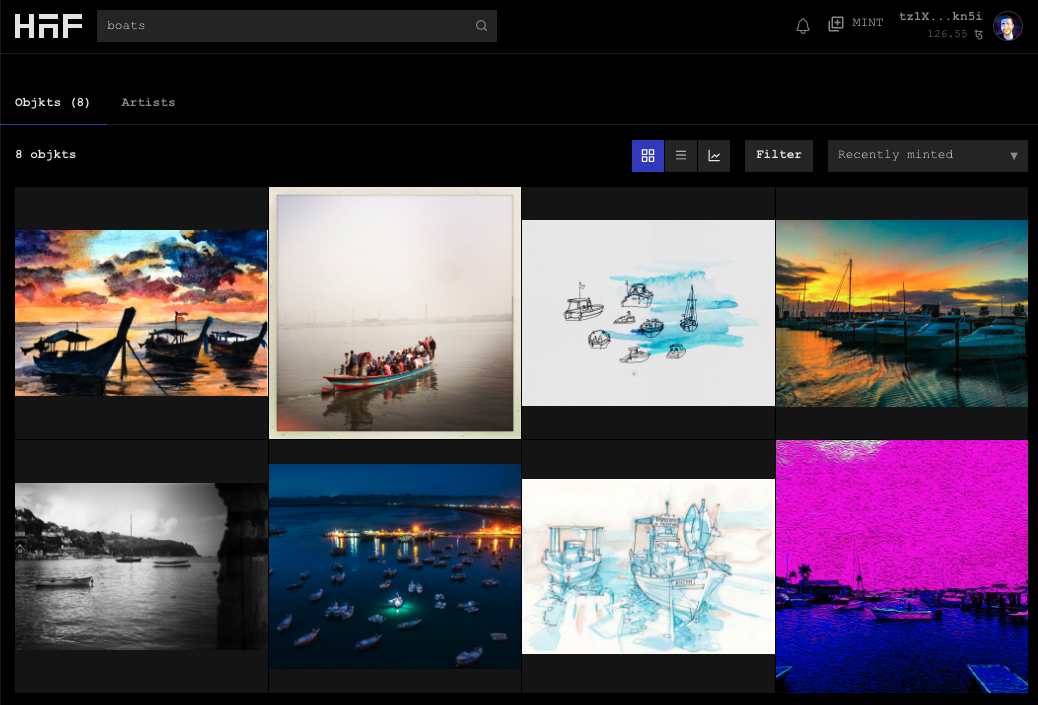
My takeaway was that artists minting on Tezos should be enthusiastically tagging their work for discovery by people searching for subjects they love.

5. The art market on Tezos is still in chaos in the wake of Hic et Nunc’s shutdown.

Unlike in the Ethereum world, there is no go-to marketplace for NFTs on Tezos. That used to be Hic et Nunc before its sudden shutdown in November. Now in its wake there remains a mess of mirrored sites, lookalikes, and also-rans, none of whom quite knock it out of the park from a usability perspective. (Although to be fair – usability was never the selling point of HEN, either. 😅)

I had the most success shopping for NFTs on hic.af. The killer feature was its search, which allowed me to set a budget and add some other helpful parameters. The front page was also a fantastic place to find hot new drops and popular artists. However, I found hic.af to be very slow at loading gifs, and my computer often turned into a quagmire while loading the search results page – or even the home page!

6. Gifting NFTs is FUN.

The only thing better than finding the perfect NFT is finding the perfect NFT for your friends. I had such a blast searching random terms that I knew were up my friends’ alleys, then picking the best thing that I knew would put a smile on their face.

Gifting NFTs is faster, more personal, and cheaper than finding actual physical gifts for friends, and I can do it with a lot more people. I’m positive that this is an activity I’m going to look forward to every holiday.

7. It takes work to verify the NFTs you’re buying are legitimate and worth a dime.
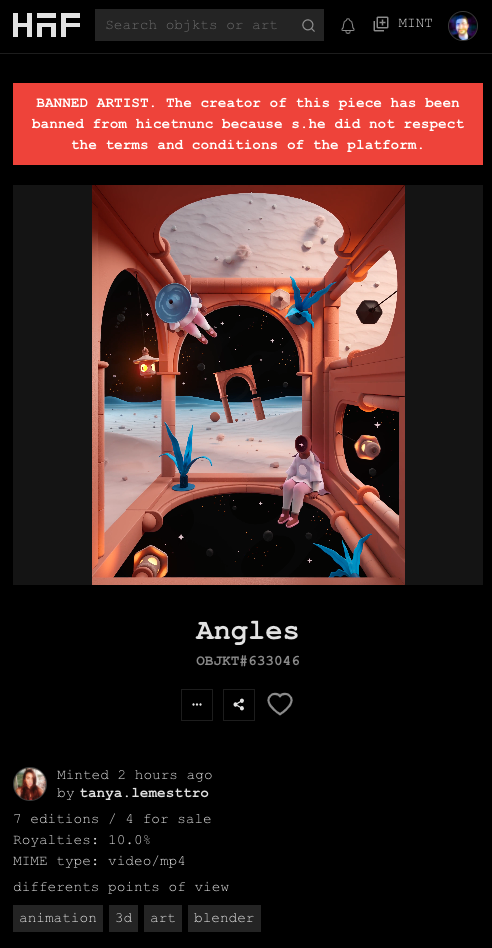
An artist's profile on hic.af shows a banner above warning that they have been banned

Decentralized marketplaces have many benefits, but they will perhaps always be plagued by the problem of keeping them free from fraudsters.

There are likely no good solutions to this problem, and ultimately a certain amount of responsibility will always fall on the buyer to ensure they are buying something legitimate.

While shopping for NFTs, I encountered several “artist” profiles who had uploaded work of other artists and offered them for sale as their own work. This passing off of someone else’s art as your own NFT is called copyminting.

It was not always a simple task to discern whether an artist was real or a fraud. In some cases, I only spotted the fake because I happened to know an artist’s work had already been published on a different, more expensive/exclusive platform – but we cannot and should not expect most buyers to operate with that savvy.

Asking yourself these questions before making a purchase will help protect you from buying fake NFTs.

Does this artist have a verified profile, or link to other social accounts?

When I was in doubt about the artwork’s veracity, I either tried to contact the artist for more information, or simply decided that no matter how great an NFT seemed, the risk of buying someone what turned out to be a fake NFT was not worth taking the chance.

8. People who are curious about NFTs LOVE receiving NFTs as gifts.

My 12-day giveaway on Tiktok was received with overwhelming enthusiasm by commenters. Each day, dozens of people commented in the hopes of wining an NFT. In all those hundreds of comments, I can’t recall a single critical one. And remember: I only spent around 1 tez ($4) per day on the NFTs I was giving away.

Even more amazing to me was that the people who received the NFTs became eager to to learn more. I was thrilled to see one winner later join the Discord of the artist whose work they had received from me. Others told me that it was their first NFT, or first NFT on Tezos, and that they were excited to start collecting more.
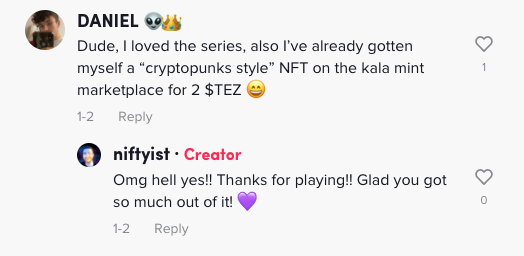
A screenshot from a tiktok video shows a commenter saying they were inspired to buy art on a Tezos marketplace

9. People who have never collected NFTs don’t know what to do with them.

Apart from the TikTok giveaway, I also gifted NFTs to a handful of friends. The first email I got back was telling:

“I have to be honest and say that I have no clue what to do with this, but I am thankful nonetheless!

I ended up typing up a form letter that I sent along with every NFT that I gave to a friend or follower, giving some ideas about what they could do with it. Which made me realized… it’s a very short list!

I told them they could view the NFT in their wallet, or on a marketplace; that they could join a social network like Showtime (disclosure: I’m an investor) and start building up their collection; or that they could sell the NFT for cryptocurrency. (That last option seemed a bit awkward to suggest to friends, since I had just taken the time to find an NFT that I hoped would speak to them.)

So a bonus takeaway here is that… it’s still too early. Most people won’t understand the point of owning NFTs until they can use them for something, or until they can show them off in the places where they spend their time online – like their social media profiles.

We have every reason to believe that Twitter, Instagram, and other social networks are planning to integrate NFTs into profiles. Until that happens, NFT art will remain obscure, and mostly of interest only to other NFT collectors.

10. The NFT gift market is going to be massive.

I can’t repeat enough how much fun I had giving gifts, and how much fun people had receiving them. If crypto and NFTs continue to catch on at the staggering rate they have been in the last year, and if even 10% of the population in the future enjoys buying NFTs as gifts, then we are likely to see a supermassive gift market emerge in future years.

Collectors: I highly suggest setting some time and money aside to buy NFT gifts for people you care about. I promise you’ll have a great time, and what’s better than making someone’s day with a surprise, hand-picked gift?

Creators: I urge you to keep the gift market in mind as you work, and to make sure to tag your work for maximum discovery in the NFT marketplaces.

Have you ever given an NFT as a gift? Leave a comment below – I would love to hear what you bought, where you bought it, and what you thought of the exercise!
I Sold an Official Twitter NFT for $15,000. Who Got the Better Deal?

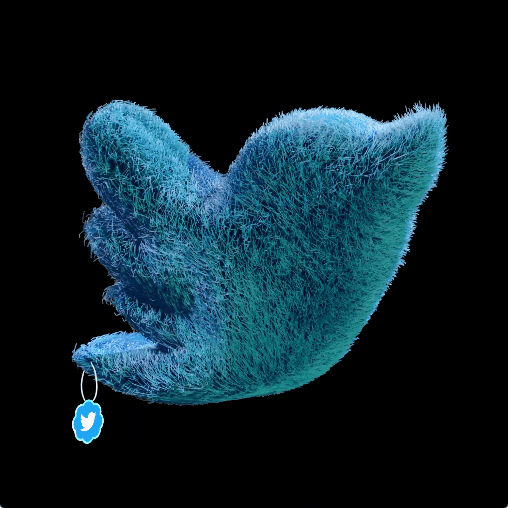
An image of the Twitter logo in the form of a fuzzy plush toy

Last week, I was one of the few lucky winners of Twitter’s surprise NFT giveaway. Just a day later, I accepted a $15,000 USDC bid for the piece. I effectively was betting that the price would only go down from there. The party on the other end of the bid – an account named “NFT Flipper” – clearly disagreed. So did many of the other winners of Twitter’s NFTs.

So who’s right? Was this a historic drop whose value will be clear for years to come? Or did I pick the right time to cash out on a flash-in-the-pan drop?

This post will lay out why I thought $15,000, and an excellent price to accept for a piece in Twitter’s “140 Collection.”

The Drop

In a flash marketing stunt on June 30th, Twitter revealed twenty editions of seven NFTs they had created as part of a series they called “The 140 Collection.” (That adds up to 140 total editions, by the way – the traditional number of characters allowed in a tweet.) The NFTs were minted on Rarible as ERC-1155 tokens.

Twitter distributed the pieces via their own Twitter account by engaging with users who commented on the announcement. Editions were awarded seemingly at random to some users who requested one.

I happened to be one of those lucky commenters who received one. After commenting on my reply, @Twitter DM’d me, asked me for some personal information (I assume for tax or KYC reasons), and then sent over an NFT to the wallet address I supplied them.

Twitter sent me an edition of Furry Twitter – a looping image of the Twitter logo done up like a stuffed plushie you’d hang on your rear-view mirror. (As far as the art goes, I think it’s pretty decent! I appreciated the understated, realistic animation of the bristling fur. I’m not so sure about the tag on the tail showing the Twitter logo – besides being redundant, it seems to add a 2D element into a 3D image. But overall, they could have done much worse for a first NFT outing.)

I was, of course, delighted to have won! It seemed like everyone on NFT Twitter, including some big name artists, were begging to own one of these. I quickly spotlighted the new trophy on my Showtime profile, looking forward to reading the comments as they came in.

But, of course, just as soon as the nifty hit my wallet, I headed over to OpenSea to check its value on the secondary market. That’s when I saw that an edition had already sold for 25 ether (about $52,000).

Was I really holding a $52,000 image in my digital wallet? I was not convinced of that, but nonetheless, I listed it for 25 ETH in case someone was inclined to disagree. 😜

It was at this point that I started to consider the value of this nifty. What was the quality of the art and the technical execution? What was the broader significance? What would I have paid for it? What would I expect excited collectors to pay for it? Did I think it was likely to increase or decrease in value?

I determined that it was probably worth a few thousand dollars. Any amount over $10k was certainly an overvaluation. And therefore, I would be happy to trade around that price.

Here’s how I decided the Twitter NFTs were overvalued.

The NFTs were officially created by a corporation. The crypto space broadly, and much of the NFT community, comes from an anti-authority, anti-centralized perspective that sees large corporations as untrustworthy and often immoral. Given that political and cultural context, I could easily imagine that in a year, Twitter’s NFT drop would look more like a cringey publicity stunt from a corporation trying to capitalize on a trend and less like a historic, forward-thinking evolution of a beloved brand.

Having decided that, I started to keep an eye on the bids, and checked them regularly over the next 24 hours to see how the market was reacting. The bids kept going up, reaching a high of $15,000 USDC on OpenSea. For most of the day, there was a comfortable ladder of supporting bids in the same neighborhood.

But then I noticed the ladder disappear, and suddenly the next highest bid was around half of that USDC offer. That told me that many of the supporting bids had probably come from a single account, a potential indication that there wasn’t a lot of demand from a large pool of people; and that one holder now had a short-term opportunity to take a decent bag of cash.

Since the price was well over what I valued it for, and since there was now a time-sensitive opportunity to accept this bid, or one much lower, I decided to accept, and did so.

Now, key to my decision was my sense that there was no ongoing mechanism to sustain or increase the value of these pieces, no community to rally around the collection.

But as soon as I sold, a funny thing happened: the other winners started connecting and organizing on Twitter. They talked about the value they saw in the pieces; made promises not to sell soon; and closed ranks to lock in the price of the art. They followed each other and formed a private Discord server. (I, of course, asked to join the club given my status as an original winner, but was politely told that the server was open to holders only. I find this response to be both ruthless and extremely fair! 😆)

And here’s the thing – their approach may be a viable way, maybe even the only way, to sustain and grow the value of The 140 Collection. By keeping the NFTs visible in the community; by touting their value and historic nature; by coming together as a cool kids club and making communal decisions – these holders are forming exactly the sort of invested community who has the incentive and the ability to protect the value of their prizes.

Now, I feel as though they and I are on opposite sides of a bet: I made my wager that the value of Furry Twitter wouldn’t go much higher than $15,000. They bet that the minimum value is much higher. I look forward to tracking the collection price and seeing who turns out to be right.

OPERATION MELT ‘FACES’: Nearly $1 million Value ‘Melted’ by Collectors

The numbers are now in for an ambitious NFT experiment that challenged collectors to “melt” an extremely popular NFT in exchange for a reward: Nearly a third of holders of the SSX3LAU piece “FACES” participated in the operation, pouring almost $1,000,000 in estimated value into this digital smelting operation.

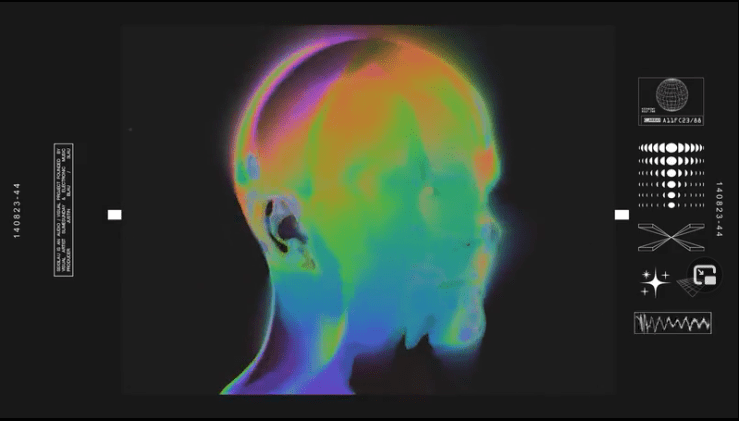
A face made up of bright shapeshifting colors spins slowly

At the time of writing, the value return for all participants has been underwhelming. Since the event, which took place around the peak of the frenzy in the Nifty Gateway marketplace, prices for most NFTs – including FACES – have cratered. GLASS, the piece given to collectors who burned the most FACES, has been selling for less than its established value of six times the price of FACES.

Those who melted one edition FACES have yet to receive their promised loyalty token, so the value of that piece has yet to be established. But it seems unlikely to match the value of a FACES piece based on its own merits. (UPDATE 5/7/2021: the loyalty tokens were distributed today and are much cooler than was initially previewed.)

Despite this, OPERATION: MELT FACES was a useful experiment in NFT tokenomics that offers many lessons to artists and collectors. And, as any HODLER knows, near-term price changes are not necessarily reliable indicators of long term value. Upside remains for holders of these pieces given the artists’ intentions to reward long term holders of their work.

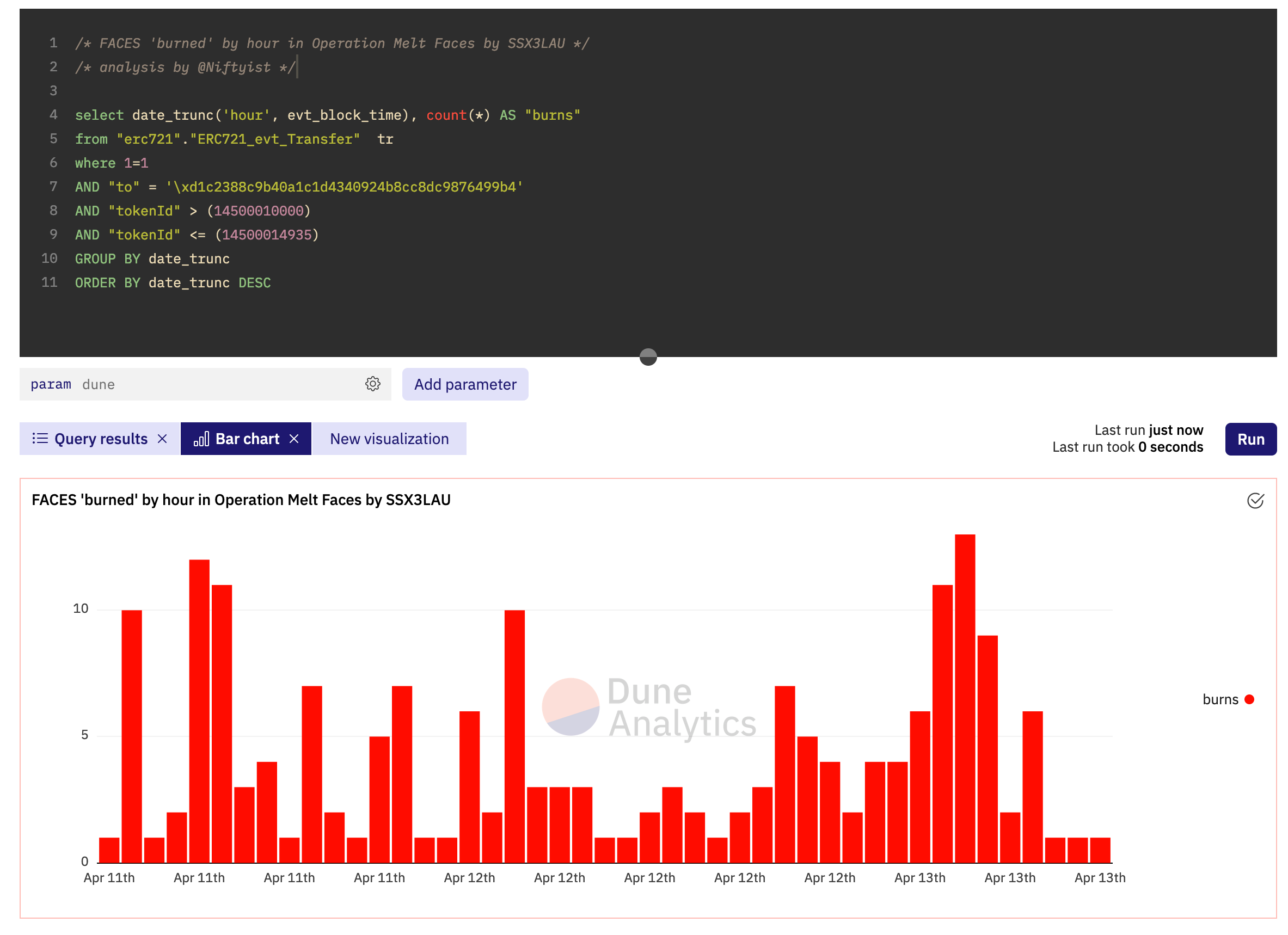
My findings are based on original research and analysis. I used Dune Analytics to review the transaction data that was publicly available around OPERATION: MELT FACES, and combined that with numbers gleaned from the Nifty Gateway ecosystem.

In this piece I will walk through my analysis of the operation, the current state of the market after the burn, and my personal reflections on how the event went overall and how it could have been improved.

BACKGROUND: OPERATION MELT FACES

Last month, NFT superstars Justin Blau, known as 3LAU, and Mike Parisella, aka Slime Sunday, announced a surprise: holders of their multimedia NFT piece “FACES” were invited to destroy their editions in order to receive a new piece of art. They called this OPERATION: MELT FACES. (The artists’ combined alias is SSX3LAU. FACES was released in the IRIDESCENT Open Editions collection on Nifty Gateway on March 13, 2021.)

A bar graph shows sporadic increases over a 48 hour window

I participated in the event by buying an edition of FACES and “melting” (or “burning”) it in the specific manner described by the artists. In return, I was promised an NFT that will act as a loyalty token for future 3LAU/Slime Sunday events. (I have faith it will come, although at the time of writing, this token has yet to appear in my wallet.)

Burning an edition of FACES was always a risky proposition. It was the most popular piece in the Nifty Gateway secondary marketplace by trading volume. The value of FACES fluctuated wildly in the lead-up to the burn, rising from its opening price of $333 to, at times, around $1,000. Around the time of the operation, pieces were trading for around $700 (which is about what I picked my edition up for).

And the return on the burn was uncertain. How would the market value of “GLASS,” the piece gifted to holders who burned 6 FACES? How would the market value the SSX3LAU “loyalty token” distributed to holders who burned 1 FACES? How would the market reward the remaining editions, whose supply would be reduced and who would come to symbolize a certain type of loyalty to HODL idealism?

Knowing that both artists are invested in the NFT space for the long term, and 3LAU in particular has spoken about how he plans to reward holders of his art, I decided to take a shot at the burn myself. For science. And the thrill. And for the intriguing, ineffable value of an early SSX3LAU loyalty token.

ANALYSIS

For weeks, I’ve wondered about the success of the experiment. I had not seen any announcements about the operation by the artists after the burn. Had it been a flop?

When I discovered Dune Analytics this weekend – a dashboarding platform that allows for analysis of the Ethereum network using simple SQL queries – I realized I had the tools I needed to answer that question. I decided to make this the subject of my first investigation. (Make sure to check out the full dashboard associated with this post!)

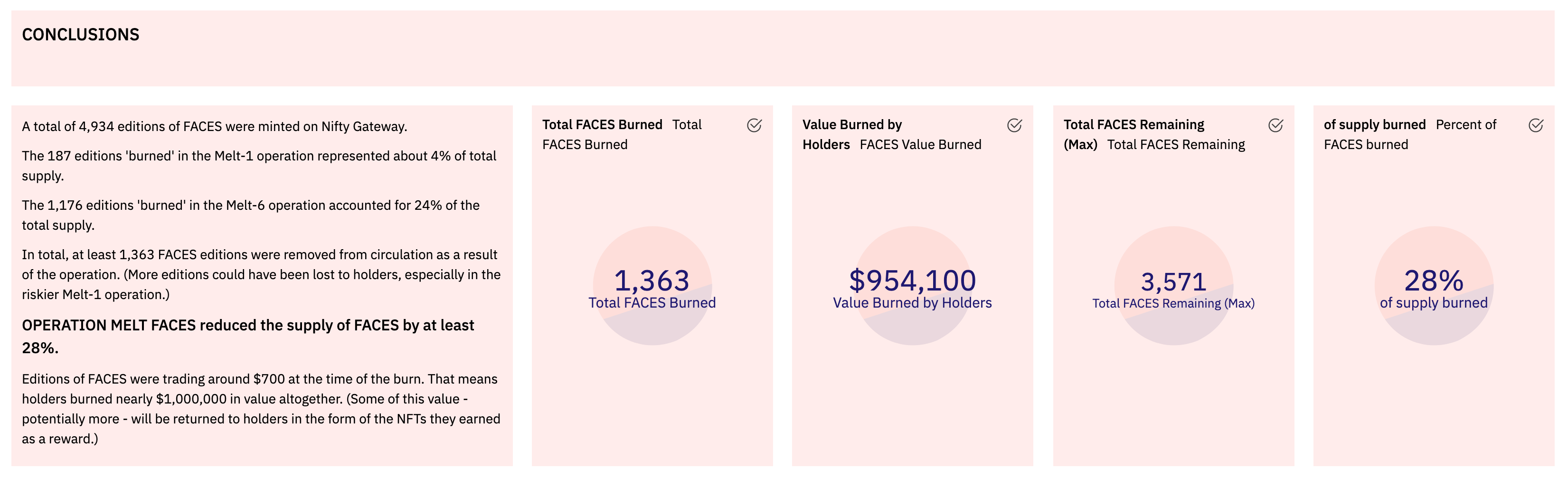
By analyzing the trading activity related to the “FACES” tokens and the designated burn account, and inferring from numbers available in the Nifty Gateway marketplace, I concluded that at least 1,363 FACES, representing a combined value of $954,100, were “melted” in the burn. (Note that this value didn’t necessarily disappear: Those who burned FACES will retain the value of whatever tokens they receive(d) in reward for the burn.)

IMPACT ON PRICE

FACES had been one of the most successful offerings ever on Nifty Gateway, with nearly 5,000 pieces minted. The FACES burn reduced supply of the piece by at least 28%. Yet, despite the sacrifice of over 1,000 pieces, we did not observe an increase in the value of FACES immediately after the event. Rather, price fell considerably almost immediately after the burn. Thus, the operation did not achieve a boost in demand for the piece, at least in the short-term.

(Note that in the roughly two weeks since the burn, prices have collapsed across the entire secondary market on Nifty Gateway. FACES and GLASS have not been spared from this phenomenon, which makes it difficult to isolate the effect of the operation on prices of these two pieces.)

At the time of writing, FACES is trading for around $400 in the Nifty Gateway secondary marketplace. Niftysecondary.com shows a steady gradual decrease in value from around $450 on April 16th, the farthest back date for which data was available. (The burn event concluded at 12AM pacific time on April 13.)

At the time of writing, the last four editions of GLASS traded hands for just $2,000 – less than the estimated value of 6 FACES at the time of the burn ($4,000), and less than the current value of 6 faces (about $2400).

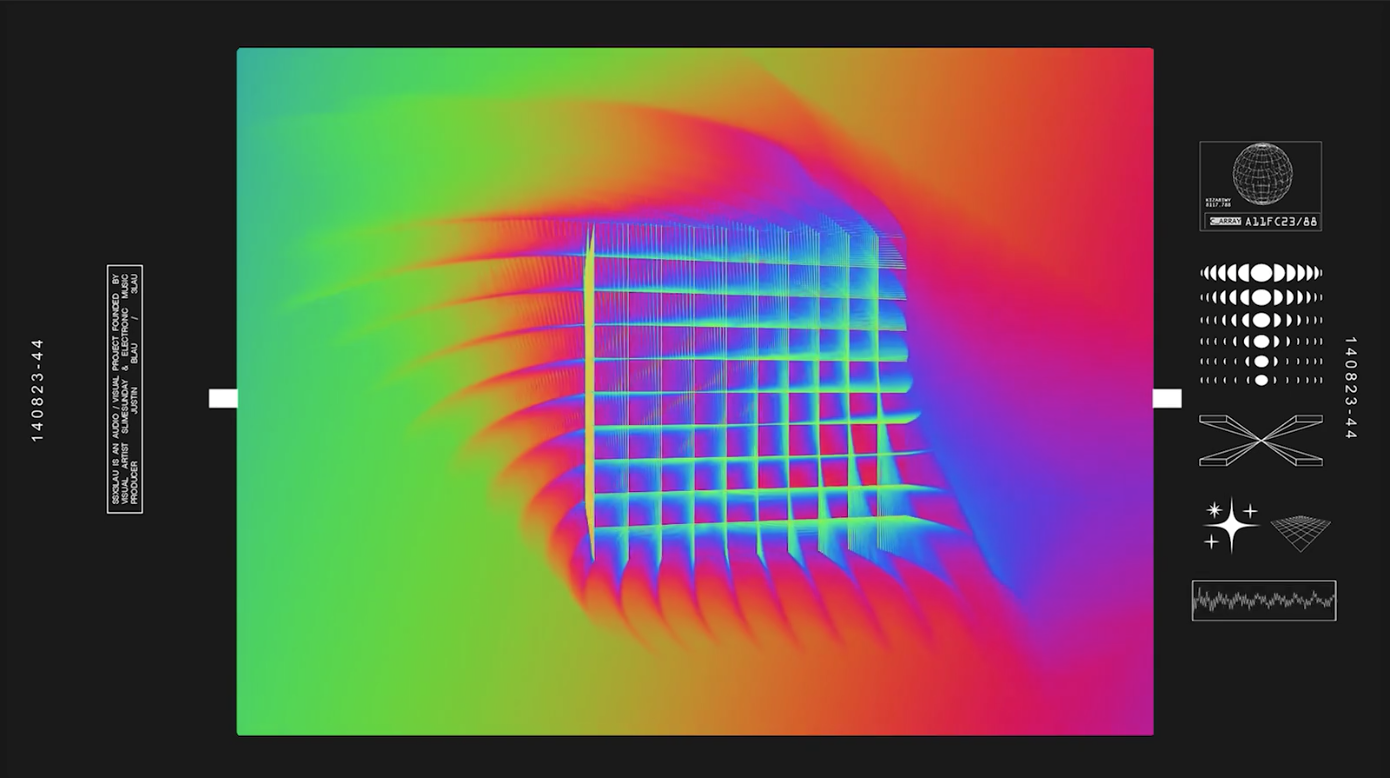
A 9x9 cube made up of bright shapeshifting colors slowly spins

MISSION ACCOMPLISHED?

Was the experiment successful? From a participation standpoint, I do think it’s impressive that the artists managed to engage almost 30% of buyers in this elaborate and novel scheme. That being said, I think the participation rate could have been higher, as I will explain in the next section.

From a value standpoint, I do not think OPERATION: MELT FACES achieved its goals, as far as we can judge in the present. OPERATION: MELT FACES had the potential to be a value-add exercise for all four parties involved:

The artists, who benefit from a 10% resale fee any time FACES or GLASS is traded

In my estimation, the four parties not only made out quite differently, but there was actually a value transfer that created winners and losers from the operation.

The artists made out the best, having collected thousands of dollars in pure profit from resale fees as prices rose and then ultimately fell around the event.

“Melt-6 collectors” were rewarded with a very cool, unique NFT. Although the value of this piece is down right now, I personally believe that if NFT prices are to recover at all to where we saw them in March, GLASS is a prime candidate to reach a premium price due to its limited supply, obvious audio and visual quality, its association with the two artists, and with OPERATION MELT FACES.

Collectors who held on to FACES have not seen the value of the piece increase in the wake of the operation, and I do not expect they ever will. (More on this in the next section.)

“Melt-1 collectors” seem to have fared the worst in the experiment. Based on pure aesthetics, the NFT they received in return for the risk they took on is clearly of lesser value than the original piece. (More on this in the next section.) Not to mention, since it is being distributed outside of the Nifty Gateway closed ecosystem, there will be hefty fees associated with any trade of the loyalty token. For their sake, I do hope SSX3LAU does their best to create long-term value for holders of the token. (UPDATE 5/7/2021: the loyalty tokens were distributed today and are much cooler than was initially previewed.)

From an artistic and entrepreneurial standpoint, I love the concept of OPERATION: MELT FACES, and I think it was well worth undertaking. This type of experiment highlights the unique value of NFTs and is a fun, tongue-in-cheek way to explore the many possibilities they open up.

But since the operation failed to create value for all holders involved, my overall view is that OPERATION: MELT FACES should be considered a mixed bag at best. I think the artists would agree with me that fans who were bold enough to participate in the experiment should be rewarded with some sort of fair value exchange, if not a value add. And if the ultimate winners from the exercise were mostly the artists, that risks turning off fans and collectors in the long term.

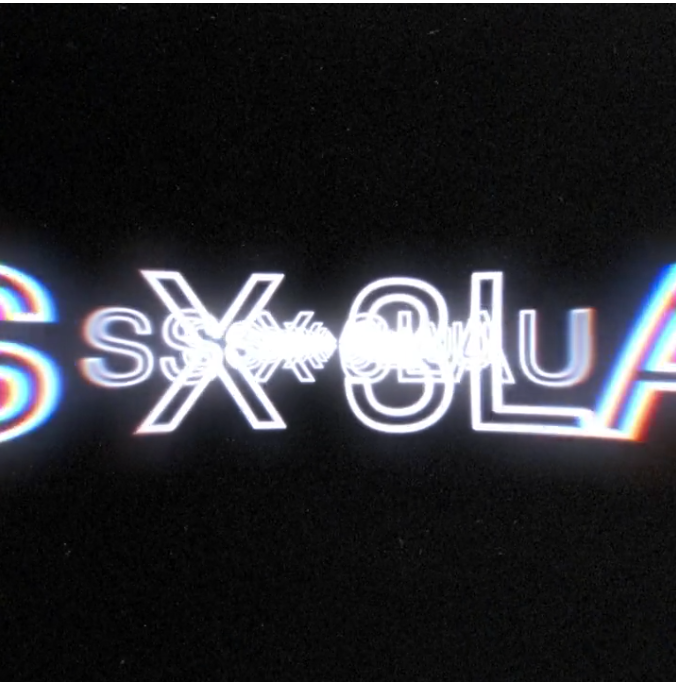
The camera zooms in to endlessly repeating rows of the letters SSX3LAU, white on black

CONTRIBUTING CIRCUMSTANCES

In this section I’ll explore the factors that I believe contributed to the disappointing result.

In one important aspect, the project was a victim of its own success. The astronomical minting numbers from the open edition drop may have doomed long-term FACES holders from the start. 5,000 editions is an almost unheard of figure in the Nifty Gateway world, and was a record for Nifty Gateway at the time. As a result, the market was flooded with these pieces. The price after the burn reflects the continuing glut in supply and relative lack of demand. (Two notes here: the IRIDESCENT drop probably got a major boost by lucky timing – happening to take place right at the peak of NFT mania on Nifty Gateway. It’s worth considering, too, as the market deflates, whether FACES contributed to the bubble burst by pulling in new NFT buyers who soon found themselves holding an item bound for deflation.)

Inconsistent communication added another issue to the mix. SSX3LAU had first promised those who melted 1 FACES that they would receive nothing but a single entry for a giveaway in return for the burn, before offering instead the loyalty token in addition to the giveaway entry. This may have led to confusion from holders, and/or turned off many who felt the burn would not be in their interest (who would give up value for nothing?).

In addition, I personally think the actual loyalty token offered was not a good value match for FACES, and fair to call “lame.” The artists’ announcement makes clear that the token was not only a second thought, but also not the result of a thoughtful creative process: “one of our first NFT experiments in 2020, slimesunday made this animation while messing with logo concepts.” (UPDATE 5/7/2021: the loyalty tokens were distributed today and are much cooler than was initially previewed.)

One other reason I believe the participation rate was lower than it could have been is that I did not observe much publicity around the Operation during the launch. Apart from one tweet from 3LAU, I didn’t encounter any other reminders that the melting was in progress. I believe SSX3LAU could have used their platforms more aggressively to get the word out.

Finally, one potential contributing factor to the large drop in price could be competition. Soon after the FACES burn, the much more publicized multi-day drop by PAK on Nifty Gateway employed a similar burn mechanism – and that drop, too, succeeded in minting thousands of open edition pieces. It’s possible that the PAK experiment stole some of SSX3LAU’s thunder – and demand.

PREPARING FOR FUTURE MISSIONS

In order to create the most value for fans, and not just the artists, future exercises modeled off of OPERATION: MELT FACES should take heed of the above circumstances, and make one key change in the structure.

Instead of releasing the initial token as an open edition, which introduces variability into the total number of editions minted, future artists following this model should limit the drop size to a fixed number of editions. The number should err on the small side in order to ensure continual demand for the piece during and, crucially, after the operation. Consider that if even 1,000 editions of FACES had been released, a similar burn rate of 28% would have left over 700 pieces still on the market – still many more editions than in vast majority of collections, and a number almost sure to deflate demand.

OPERATION: MELT FACES was an exciting exercise to participate in, and one that was highly affected by the time of its release. Despite the less-than-stellar value produced for some holders, it will remain an innovative drop structure and an important case study in how to optimize value for fans in similarly structured releases.

Holders of the FACES and SSX3LAU loyalty tokens will at least be able to point to an interesting piece in their collection that was part of a pioneering experiment in NFT tokenomics. And, who knows – it may turn out that in the coming months and years ahead, these tokens may still hold secret value yet to be revealed.